After a Tropical Storm: How Sarasota Homeowners Should Check the Roof, Solar & Battery System
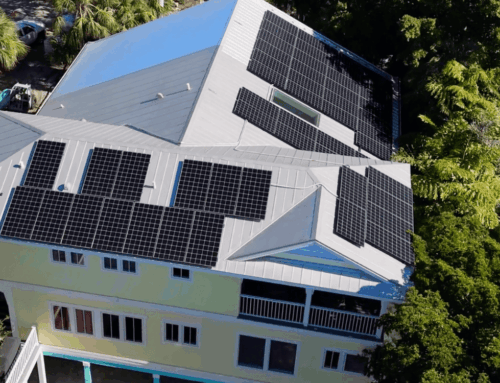
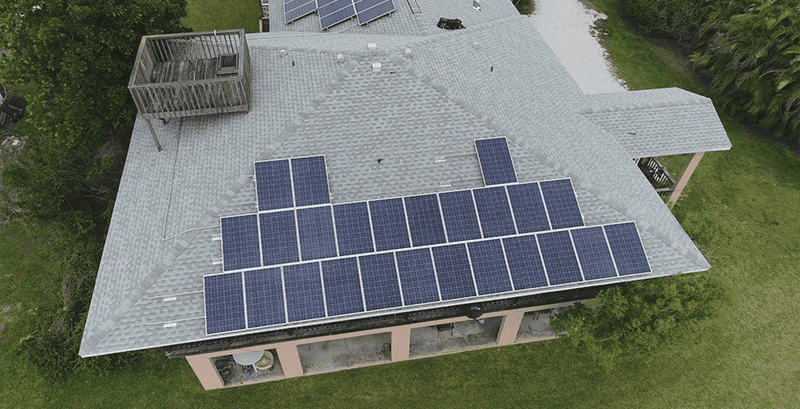
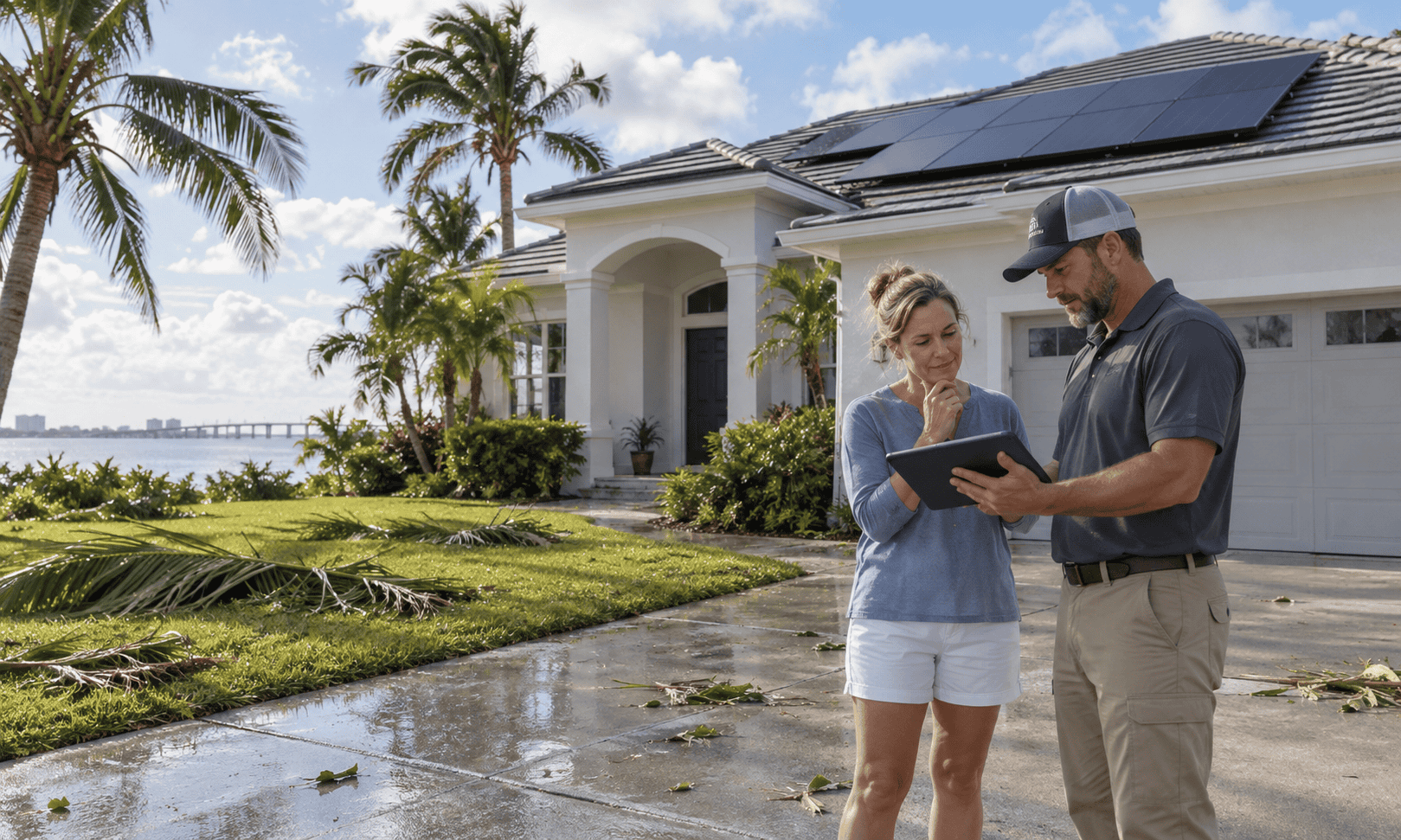
After a tropical storm, do not begin by climbing onto the roof. Start from the ground, follow local safety guidance and look for visible changes in the roof, solar array and exterior. Then review system monitoring and call qualified professionals when electrical equipment or roofing may have been damaged.
Mirasol Solar provides solar service, battery support and roofing coordination in Sarasota, making it easier to evaluate several storm-affected systems through one experienced local company.
Wait Until Conditions Are Safe
Stay away from downed power lines, standing water near electrical equipment and damaged structures. Do not touch broken solar modules or exposed wiring. Solar panels can produce electricity whenever light reaches them, even when utility service is out.
Take Ground-Level Photos
Photograph roof elevations, visible solar panels, gutters and exterior damage before major cleanup when it is safe to do so. Those photos create a post-storm record for contractors and your own records.
Look for Roofing Damage
Missing shingles, cracked tiles, lifted flashing and debris impacts can allow water into the home. Check ceilings and attic areas for new staining.
Mirasol’s roofing division in Sarasota can inspect and repair storm-related roofing concerns and coordinate solar removal/reinstallation when needed.
Review Solar Monitoring
Check whether production data is updating and whether new inverter or equipment alerts appear. A system can look normal from the ground and still have a performance issue.
Inspect Battery Status Through the App
Review charge state, system alerts and backup history. If the battery behaved unexpectedly during the outage, document what happened and discuss it with the service team.
Do Not Reset Electrical Equipment Repeatedly
If an inverter, battery or breaker continues faulting, repeated resets may not solve the underlying issue. Follow manufacturer guidance and stop if there is visible damage, unusual heat, odor or water exposure.
Coordinate Roof and Solar Repair
When roof repairs require moving solar equipment, the projects should be planned together. Improper removal or reinstallation can affect roof penetrations, wiring and system performance.
What If the Roof Needs Repair Beneath the Solar Array?
Do not let an unqualified roofing crew disconnect or move solar equipment. Removal and reinstallation should be coordinated with qualified solar professionals so mounting, wiring and roof penetrations are restored correctly.
Review the Battery’s Real-World Performance
A storm outage provides useful information. Did the battery support the loads you expected? Did the household conserve energy? Did the system recharge from solar as designed? Save the operating history and discuss gaps with the service team.
Check Other Solar-Related Equipment
If the home also uses solar water heating, EV charging or smart electrical equipment, include those systems in the post-storm review. Water intrusion, electrical faults and communications failures may affect more than the rooftop PV array.
Sarasota Post-Storm Documentation Checklist
- Ground-level photos of roof and solar
- Monitoring screenshots
- Battery or inverter alerts
- Interior leak photos
- Approximate outage duration
- List of backed-up loads that worked or failed
- Contractor service records
Look for Changes, Not Just Obvious Destruction
A panel does not need to be shattered to deserve inspection. A shifted mounting component, damaged roof tile beneath an array, inverter alert or sudden production change can all matter even when the house looks generally intact from the street.
Give the System Time to Return to Normal—But Not Indefinitely
Monitoring may be interrupted by internet or utility outages. Once normal communications and grid service return, confirm the solar and battery system also return to expected operation. If alerts persist or production remains abnormal, request service.
Plan Repairs in the Right Order
When both roof and solar work are needed, determine the roof scope first, then coordinate panel removal, repair and reinstallation around it. That sequence helps protect the new roofing work and reduces duplicated labor.
Frequently Asked Questions
Can I wash storm debris off my panels?
Do not climb onto the roof or pressure wash modules. If debris is affecting the array, have a qualified solar professional evaluate safe cleaning.
What if the solar system shows zero production after the storm?
It could be an outage condition, communication problem or equipment fault. Document the monitoring status and request professional service.
Should the roof be inspected even without a visible leak?
If the home experienced significant wind, impact or debris, an inspection can identify damage before the next heavy rain reveals it indoors.
Use the Storm to Improve the Next Storm Plan
After conditions stabilize, review what worked and what did not. If roofing, solar production or backup power needs attention, contact Mirasol Solar for coordinated service in Sarasota and Southwest Florida.