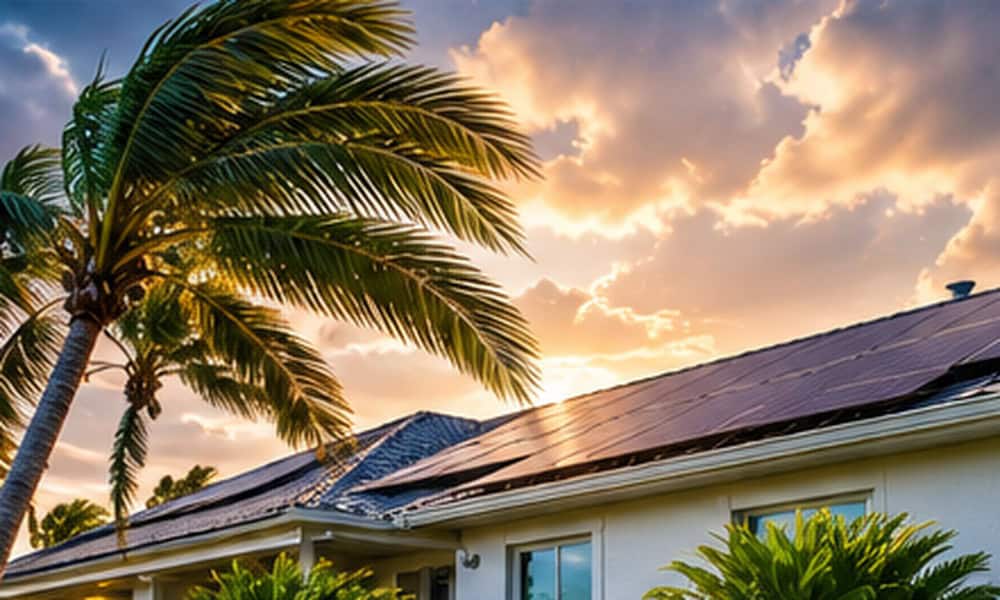
Florida storm season has a way of turning an ordinary week into a serious home-preparedness test. Heavy rain, wind, lightning and hurricanes can interrupt utility service with little warning, which is why more homeowners are thinking about backup power before the forecast becomes urgent.
For a solar home, the most important thing to understand is that rooftop panels and backup power are not automatically the same thing. A properly designed solar-plus-storage system can give you greater control over your energy, store power for later use and support selected household loads when the grid is unavailable.
Mirasol Solar has served Florida since 1977 and helps homeowners build customized energy systems using solar electric and battery storage solutions designed around the home and the way the family actually uses electricity.
Why Storm Preparedness Starts Before the Forecast
The week a major storm is approaching is not the ideal time to begin thinking about backup power. Equipment availability, scheduling and installation all take planning. A better approach is to evaluate your energy needs during normal weather so your system is ready when conditions change.
Start by asking a few practical questions:
- Which appliances and devices are most important during an outage?
- How long would you like those essential loads to remain powered?
- Do you already have rooftop solar?
- How much electricity does your household use during a typical day?
- Which loads can be reduced or turned off during an extended outage?
- Do you have medical, communication or work-from-home equipment that needs dependable power?
Those answers help determine what a realistic backup plan should look like.
Solar Panels Alone Usually Do Not Mean Backup Power
One of the most common misunderstandings about residential solar is that panels automatically keep a home running when utility power fails.
Most grid-connected solar systems are designed to shut down during a grid outage unless they are paired with equipment that can safely isolate the home from the utility. This protects utility workers who may be repairing power lines.
A properly configured battery system changes that equation by allowing stored energy to support the home independently of the grid. Depending on the equipment and system design, solar may also be able to recharge the battery while the outage continues.
If you want to understand the durability side of storm planning too, Mirasol’s guide to solar panels and Florida hurricane conditions explains how modern solar systems are designed with severe weather in mind.
What Can a Home Battery Keep Running?
That depends entirely on the battery capacity, inverter output, household demand and system configuration. Instead of asking whether a battery can “power the house,” it is more useful to identify the loads that matter most.
Common priorities may include:
- Refrigeration and freezers
- Wi-Fi and communications
- Lighting
- Security systems
- Selected outlets
- Medical or accessibility equipment
- Fans or selected cooling loads
- Garage-door operation
Large loads such as central air-conditioning equipment can have a significant effect on battery sizing and runtime. A professional design should account for both how much energy a load uses and how much power it requires when operating.
Battery Storage Can Help Beyond the Storm
Backup power may be the reason a homeowner first asks about batteries, but storage can also be useful on ordinary days.
A solar battery can capture energy produced during the day and make it available later. That can reduce dependence on the grid and give homeowners more flexibility in how they use their solar production.
Mirasol’s overview of home battery storage benefits in Florida explains how storage can support energy independence, outage protection and everyday energy management.
Already Have Solar? Make Sure It Is Ready Too
Storm preparation should include the solar system you already own.
Before severe weather arrives, check your monitoring platform and confirm that the system is communicating normally. If you notice unusual production, equipment alerts or a system that has not been inspected in a long time, address those concerns before storm conditions make service more difficult.
Do not climb onto the roof to inspect solar equipment yourself. A professional can evaluate the system safely and look for visible concerns involving panels, mounting, wiring, inverters and other components.
Mirasol Solar accepts solar service requests and services systems regardless of who originally installed them.
Build a Home Outage Plan Around the Battery
Even the best battery works better when the household has a plan.
Before storm season intensifies:
- Know which circuits are backed up.
- Make sure everyone in the household understands what should be turned off during a long outage.
- Keep mobile devices charged when severe weather is approaching.
- Test important communication and medical equipment.
- Keep flashlights and emergency supplies accessible.
- Review your battery monitoring app and understand its reserve settings.
- Follow all manufacturer guidance for your solar and battery equipment.
Energy storage is one part of a broader hurricane plan. Follow local emergency-management instructions for evacuation, flooding and severe weather, even when your home has backup power.
Think About Your Home’s Future Energy Needs
Storm readiness is also a good reason to think beyond today’s electric bill.
If your household plans to add an electric vehicle, more cooling equipment, a pool, an electric water heater or other major loads, tell your solar professional. Future electricity demand can change how solar and storage should be sized.
Mirasol also offers home EV charging solutions, which can be evaluated as part of a larger home-energy plan.
Frequently Asked Questions
Will my solar panels keep producing if the grid is down?
Solar operation during an outage depends on the system design. A standard grid-tied system typically shuts down for safety. A properly configured solar-plus-battery system may be able to continue supplying the home and recharge storage while isolated from the grid.
How long will a home battery last during an outage?
Runtime depends on battery capacity and how much electricity the household is using. Prioritizing essential loads and reducing unnecessary consumption can extend available backup time.
Can I add battery storage if I already have solar?
Often, yes. Compatibility depends on the existing solar equipment, electrical system and battery technology. A professional evaluation is the best first step.
Should my solar system be inspected before hurricane season?
If the system has performance issues, visible concerns, storm damage or has not been checked in a long time, a professional service visit can provide useful peace of mind before severe weather arrives.
Prepare Before the Next Storm Has a Name
The best storm-prepared home is the one that has already thought through what happens when utility power disappears.
If you are considering solar, adding battery storage or want an existing system checked before the next round of severe Florida weather, contact Mirasol Solar. You can also use the Mirasol Solar Calculator to begin exploring your home’s solar potential.